Straight talk on turning a game idea into a real, live product. Process, strategy, and the design decisions that decide whether players stay.
 Process
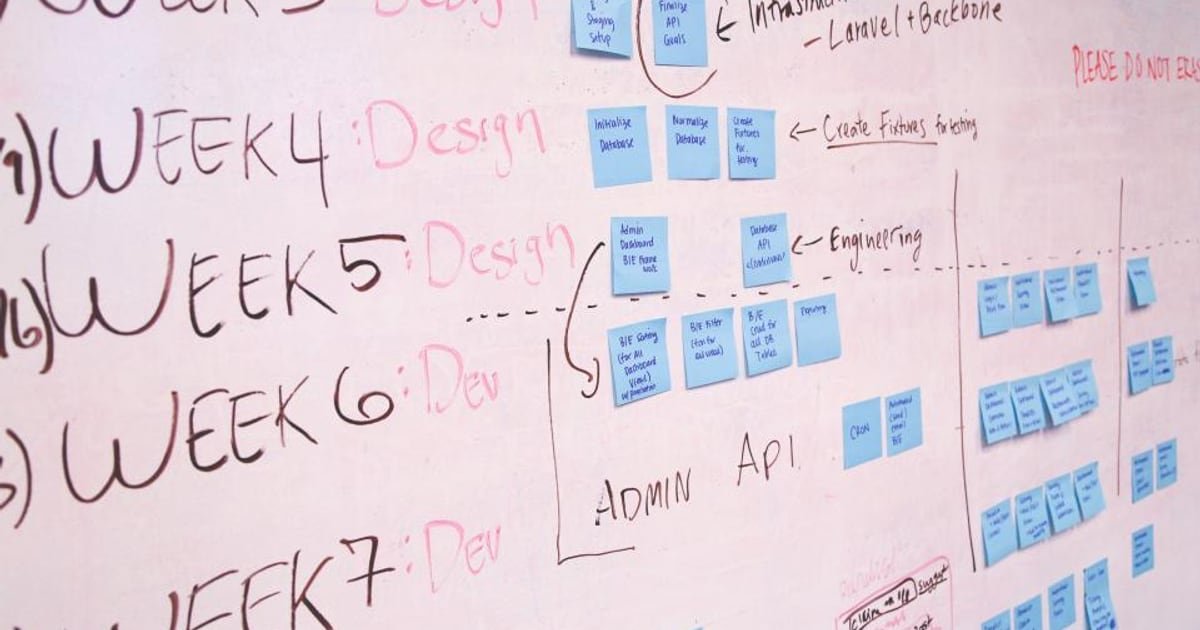
 Most first versions ship in 7 to 12 weeks. Here is what happens in each of those weeks, what makes a project run late, and how to tell a real timeline from a hopeful one.
Read article Process
 Your first call with a game studio sets the tone for the whole project. Here is what to cover, what to ask, what to share upfront…
 Strategy
 You can test whether a game concept attracts players before writing a single line of code. Here is the method, what it costs, and…
 Design
 A dialogue system does not need a plugin. ScriptableObjects, a small runner, and a clean data format give you branching, conditio…
 Budget
 A game budget with investor scrutiny needs different structure than one you set for yourself. Here is how to build it so the numb…
 Process
 A short reading list for founders starting a game project, organised by what it helps you do, plus what we deliberately leave off…
 Design
 Three mechanics do most of the retention work in casual games. Here is what each one is actually doing, what it costs to build, a…
 Strategy
 A run of publisher passes is information, not a verdict. Here is how to read what a rejection is telling you and decide between f…
 Process
 Android fragmentation is manageable once you decide what you support. Here is how to pick a device matrix, set a floor, and test…
 Business
 A studio that never pushes back is deferring every judgement to you. Here is what a good partner should refuse, and how a well-de…
 Process
 Time zones are only expensive when the process assumes everyone is awake. Here is how to structure handoffs, reviews, and decisio…
 Monetization
 Ad frequency is the easiest revenue lever to pull and the easiest to overpull. Here is what the published guidance says, and how…
 Process
 Inspiration does not scale to twenty concepts a month. A library and a combination method does. Here is the system, and how to fi…
 Design
 Audio is the cheapest way to raise perceived quality and the first thing small teams cut. Here is how to get most of the way ther…
 Strategy
 Killing a game well is a skill, and it starts before the project does. Here is how to set the criteria, read the signals, and kee…
 Growth
 A test report is read in about ninety seconds. Here is the structure that survives that, including how to write up a test that di…
 Growth
 Simple visuals consistently outperform detailed ones in paid acquisition. Here is the mechanism behind it, what the published dat…
 Launch
 The gap between a prototype that tested well and a soft launch build is larger than most teams plan for. Here is exactly what has…
 Design
 A hundred levels is a production problem, not a design problem. Here is the tooling and structure that makes it possible without…
 Business
 A proposal tells you how a studio thinks before you have spent anything. Here are six red flags worth acting on, and the question…
 Growth
 A first creative test is mostly setup, and setup is where most of them go wrong. Here is the order to do it in, and the mistakes…
 Strategy
 In early development the team that tests ten ideas beats the team that perfects one. Here is what actually creates delay, and whe…
 Growth
 Publishers ask for the same handful of numbers every time. Here is the full field list, how each should be calculated, and how to…
 Process
 You can get most of the visual value of shaders without understanding the maths. Here is what they actually do, the five effects…
 Business
 Most mobile games need far less backend than their teams build. Here is what it is actually responsible for, what it costs at sca…
 Design
 Top charts show you what already won, which is the least useful information available. Here are better sources, and a way to stud…
 Strategy
 Published research puts the commercial life of a top hyper-casual title at under fourteen months. Here is the shape of that curve…
 Design
 Six mechanic patterns fail in casual testing for predictable reasons. Here is which measure each one fails on, and what that tell…
 Design
 Input is where a mobile game earns or loses trust in the first ten seconds. Here are the thresholds, buffers, and reach rules tha…
 Strategy
 Second games fail more often than first ones, and for reasons that look like advantages. Here is what changes, and what is genuin…
 Process
 Ten testers will find nearly every problem in your game if you run the session properly. Here is how to recruit them, what to ask…
 Growth
 Most successful mobile game hooks follow the same four beats in the same order. Here is the structure, the timing of each beat, a…
 Growth
 Install costs almost always rise when a test becomes a campaign. Here is why it happens, which causes you can control, and how to…
 Process
 Godot has become a genuine option for mobile, with one deciding factor that most comparisons skip. Here is the honest version for…
 Business
 When an investor asks about your tech stack they are rarely asking about technology. Here is the risk they are actually pricing,…
 Process
 Unstructured build reviews drift into opinion and produce no decisions. This is the forty five minute agenda that turns them into…
 Process
 A prototype that tries to answer three questions answers none of them. Here is how to pick the one that matters, and what to deli…
 Monetization
 Pure ad revenue stopped covering the cost of an install. Here is how hybrid games blend ads and purchases, and where the first pu…
 Process
 A single animated counter can rebuild an entire screen sixty times a second. Here is why, and the handful of changes that remove…
 Business
 A producer is the first hire most funded founders delay and the one that changes the most. Here is what they actually do, and whe…
 Growth
 Most wasted ad budget is spent on tests that could never have produced a clean answer. Here is the checklist that makes sure your…
 Design
 Top casual games use a consistent structure in their opening half minute. Here it is broken into three segments, with what each o…
 Strategy
 The major casual publishers want different things, and sending the same build to all of them wastes the strongest submission. Her…
 Process
 Jitter is a timing mismatch rather than a physics bug. Here is the order to debug it in, and the four settings that fix most case…
 Business
 A portfolio shows what a studio has shipped, not how they work. These ten questions surface the difference, and the answers matte…
 Process
 Publisher SDK integration is an afternoon when the prototype was built for it and a week when it was not. Here is what the SDK ne…
 Monetization
 Longer sessions are not automatically more valuable. Here is what the published benchmarks say about session length, session freq…
 Growth
 A small creative test answers one question well and several questions badly. Here is how to set one up so the answer you get is w…
 Process
 Solo projects rarely fail at the start. They stall somewhere near the end, and the cause is almost always scope. Here is how to g…
 Budget
 Fifty thousand dollars buys a real game or a rough one depending entirely on what you point it at. Here are three honest scenario…
 Process
 Every package is a dependency you will maintain. Here are nine that consistently pay for themselves on mobile projects, and the o…
 Design
 A loop that holds players for a month is structurally different from one that holds them for a session. Here are five that work,…
 Business
 A publishing term sheet has about six clauses that matter and a lot of text that does not. Here is what each one does, and which…
 Design
 Most of what makes a 2D game feel good is camera behaviour and timing rather than art. Here are the specific settings and curves…
 Business
 Three contract models cover almost every studio engagement. Here is what each one actually gets you, where revenue share goes wro…
 Growth
 Playable ads fail on technical requirements more often than on creative. Here is the full specification to hand a developer, cove…
 Design
 Ten seconds decides most prototype tests. Here are the three failures that account for nearly all of them, and a cheap way to che…
 Growth
 Published benchmarks put median day one retention around a quarter of installs, with wide variation by genre. Here is how to read…
 Process
 Lost progress is one of the few bugs players never forgive. Here is how to build a Unity save system that survives crashes, updat…
 Process
 A stalled project is usually a decision problem rather than a code problem. Here is how to diagnose which, what is worth keeping,…
 Design
 Most art revisions are caused by the brief rather than the artist. Here is the structure that gets usable assets on the first del…
 Growth
 Some mobile ads perform far better than the game behind them. Here are three patterns that explain why, what each one is doing, a…
 Process
 A weekly prototype cadence is a process problem rather than a talent problem. Here is what each of the seven days produces, and t…
 Process
 Addressables is the right default for most new mobile projects, but not all of them. Here is what each system actually does, what…
 Business
 Half upfront and half on delivery is the most common payment structure in game development and one of the worst. Here is what to…
 Process
 Twelve free tools that remove real hours from a solo project, grouped by the job they do, with a note on what each one replaces a…
 Strategy
 Across a large portfolio, the games that worked shared three properties and it was not budget, art quality, or genre. Here is wha…
 Strategy
 Publisher submission funnels are more predictable than they look. Here is how a prototype is evaluated stage by stage, what each…
 Process
 A stutter every few seconds is usually the garbage collector, not the renderer. Object pooling is the pattern that removes it, an…
 Business
 You can learn most of what matters about a game codebase in ninety minutes without reading code. Here is the audit a non-engineer…
 Launch
 Most rejected submissions fail on things that take an hour to fix. Here are the nineteen checks worth running before a build goes…
 Design
 Two days, one proven puzzle loop, rebuilt from scratch to see what the mechanic is really made of. Here is the hour by hour break…
 Growth
 Published CPI benchmarks vary widely by genre, platform and market. Here is what the public reports currently say, how to read th…
 Process
 Build size costs you installs, and most of it is import settings rather than art. Here is how to find what is actually large and…
 Business
 Six months after the raise, your board stops asking about progress and starts asking about evidence. Here are the five questions…
 Process
 Twenty page design documents rarely survive contact with a build. This is the single page we ask new founders to fill in first, w…
 Design
 Juice is not decoration, it is feedback timed to the frame. Here is what happens across a single satisfying interaction, and the…
 Strategy
 Hyper casual did not disappear, its economics changed. Here is what hybrid casual actually adds to a simple core loop, and what t…
 Process
 Twelve fixes that reliably lift frame rate on cheap Android hardware, in the order we apply them, starting with how to find the a…
 Budget
 An in house team and an outsourced studio can cost the same and buy very different things. Here is the twelve month burn model, i…
 Launch
 Launch day is the starting line, and the first week decides your game's trajectory. The owner's guide to week one: metrics, fixes…
 Strategy
 The biggest mobile hits are usually the simplest games in the store. Why simplicity keeps winning, and what owners should copy fr…
 Business
 Most failed game projects showed warning signs months earlier. The signals worth watching mid-project and the calm playbook for r…
 Process
 You will want to change things mid-project, everyone does. How change requests work, what they really cost, and how to change cou…
 Process
 Owner feedback steers the whole project, and bad feedback burns budget fast. How to review a build and deliver notes a team can a…
 Business
 Clips from a real GTA 6 build spread across the internet this week. Here is a calm account of what surfaced, what it shows, and w…
 Business
 The GTA 6 leaks all carry one signature. Here is what is known about CyberLeek, the demands attached to the footage, and the cryp…
 Business
 Fake betas, crypto paywalls and clickbait on hacked university pages. The GTA 6 leak created a scam wave, and the rule that keeps…
 Business
 Leaks are not just spoiled surprises. They wreck launch plans, expose budgets, and hit the people who made the game. A look at th…
 Business
 The biggest GTA 6 leak in history was pulled off from a hotel room with a streaming stick. The way studios get breached is rarely…
 Process
 You cannot buy your way to leak-proof, but most studio leaks are stopped by a handful of unglamorous habits. Here is the checklis…
 Business
 Your studio being ten time zones away is normal now. How remote game development actually works day to day, and the habits that m…
 Business
 Games for children live under stricter rules: special laws, store programs, and monetization limits. What changes and why it can…
 Business
 Privacy policies, consent prompts, GDPR, store labels: the unglamorous paperwork every game needs, explained in plain language fo…
 Growth
 Paid ads can grow a game or quietly burn its budget. A calm, first-timer's guide to running your first user acquisition campaign…
 Growth
 TikTok clips and YouTube videos launch mobile games now. How creator marketing works at small budgets, and what actually makes a…
 Growth
 Players judge your game in about two seconds of scrolling. How to make screenshots, icons, and preview videos that turn store vis…
 Growth
 Getting featured by Apple or Google can deliver a flood of free installs. How editorial featuring actually works and what makes g…
 Monetization
 Free-to-play dominates mobile, but paid games still exist and some thrive. An honest look at when charging up front works and whe…
 Monetization
 The battle pass became mobile gaming's favorite monetization for a reason. How passes and subscriptions work, what they require,…
 Monetization
 A tiny share of players produces most in-game revenue. What spending really looks like, and what it means for how your game shoul…
 Design
 Most mobile games run on an internal economy of currencies, rewards, and prices. How these systems work and why bad balance quiet…
 Design
 Accessibility features widen your audience, improve reviews, and mostly cost little when planned early. The practical checklist f…
 Process
 Quality assurance is where games earn their ratings. What QA actually involves, when it happens, and the questions that reveal if…
 Budget
 Every mobile game ships with third-party services inside: ads, analytics, crash reporting, logins. What they are, what they cost,…
 Process
 Some games run entirely on the phone, others need servers that cost money every month. How to tell which yours is before the quot…
 Design
 Most mobile sessions last a few minutes, and great games are built around that truth. What session design is and why it shapes yo…
 Strategy
 Puzzle, idle, RPG, simulation: each genre carries its own build cost, audience, and revenue model. A plain-language map for choos…
 Strategy
 Reskinned and template-based games cost a fraction of custom builds. Sometimes that is smart, often it is money wasted. How to te…
 Process
 A vertical slice is one small piece of your game built to final quality. Here is why it is the most informative milestone in the…
 Budget
 Send one game brief to five studios and you will get five very different numbers. Here is what actually drives the spread and how…
 Process
 Before a studio builds anything, there is a short planning phase. Here is what actually happens in it and the documents you shoul…
 Strategy
 The hardest part of planning a game is not choosing features, it is cutting them. A practical rule for deciding what belongs in v…
 Design
 Every game that holds players is built around one repeating action that feels good. Here is what a core loop is and how to tell i…
 Launch
 The last two weeks before launch decide how the first two months go. Every check worth running before you press publish, collecte…
 Process
 AI is genuinely changing how games get built, and it is genuinely oversold. Where it saves real money today, where it cannot, and…
 Design
 Players do not leave games they dislike, they drift from games that stopped surprising them. The comeback mechanics that work, an…
 Strategy
 Every founder eventually faces a game that is not taking off. The framework for choosing between doubling down, changing directio…
 Business
 Nobody should pay everything upfront, and nobody serious works for pure delivery-day payment. How milestone structures protect bo…
 Budget
 Two quotes for the same game can differ by multiples, and the cheaper one is often the expensive one. What each line means and th…
 Strategy
 Browser games launch from a link with zero install friction. Store apps monetize and retain better. An honest comparison, and whe…
 Strategy
 Yes, mobile games move to PC and console, some famously so. What porting involves, what it costs relative to the original build,…
 Design
 The graveyard of boring quiz apps proves education and fun are hard to combine. Here is what working educational games do differe…
 Business
 Attention is the most expensive thing in marketing, and games hold it for minutes, not seconds. Why brands build games, what work…
 Growth
 English reaches a fraction of mobile gamers. When localization pays for itself, which languages earn their cost first, and what t…
 Process
 Adding multiplayer is not adding a feature, it is changing what you are building. What real-time play does to cost, timeline, and…
 Strategy
 You cannot fix what you cannot see. The events worth tracking in every mobile game, the tools that do it free, and the mistakes t…
 Monetization
 Lifetime value is what one player is worth to you over their whole life in the game. It is the number that decides whether your g…
 Growth
 No marketing budget is not the same as no marketing. Practical, free, and nearly free ways real indie games find their first thou…
 Growth
 App Store Optimization is SEO for the app stores, and it is the cheapest installs you will ever get. The parts that matter, in th…
 Growth
 D1, D7, and D30 retention are the numbers investors and publishers ask for first. What they mean, what counts as good, and how to…
 Process
 Watching five strangers play your game teaches you more than fifty internal opinions. How real playtesting is run, what it catche…
 Design
 Art is often the biggest single line in a game budget, and style drives it. How to choose an art direction that fits your money,…
 Design
 3D is not better, it is different. How the choice changes cost, timeline, and team size, and why some of the biggest mobile hits…
 Growth
 Live ops is running your game like a service: events, offers, and content on a calendar. What it involves, what it costs, and whi…
 Budget
 Launch day is the start, not the finish line. What ongoing maintenance a live game really needs, what it costs, and which updates…
 Process
 Hiring a studio does not mean disappearing for 12 weeks. Here is your actual job as the client, week by week, and the small habit…
 Business
 A freelancer is cheaper on paper. A studio is one contract for the whole job. An honest look at when each one is the right call,…
 Budget
 Budget overruns are rarely about lazy developers. They come from five predictable causes, and every one of them can be prevented…
 Process
 Vague briefs get vague quotes. Here is exactly what to include so a studio can give you a real price and timeline, even if you ha…
 Process
 A prototype is the cheapest way to find out if your game is actually fun. What it includes, what it costs relative to a full buil…
 Strategy
 Most game ideas fail in the market, not in development. Here is how to test whether people actually want your game before you pay…
 Business
 Publishers fund user acquisition and handle marketing in exchange for a large share of revenue. Sometimes that is the right trade…
 Business
 Freelancer, agency, or in-house team, the questions that reveal whether someone can actually ship are the same. Here are the ones…
 Strategy
 Hyper-casual gets installs cheaply and earns little per player. Casual and hybrid-casual earn more but demand deeper design. Here…
 Growth
 CPI is what you pay for one install. It decides whether paid marketing works at all. Here is what drives it up, and the levers th…
 Launch
 App Store review usually takes 24 to 48 hours. Most rejections come from a short list of avoidable problems. Here are the common…
 Launch
 From developer account to live listing, here is the actual sequence for shipping a game to the App Store, including the steps tha…
 Business
 You cannot copyright an idea, but you can protect the work. NDAs, written IP assignment, and staged delivery matter far more than…
 Strategy
 Most games do not fail because of bugs or graphics. They fail because nobody comes back on day two, or because acquiring a player…
 Process
 A game design document explains what your game is and how it works, so a team can build the same thing. Modern ones are short. He…
 Monetization
 Downloads are the wrong number to plan around. Profitability comes from what each player is worth against what each player costs.…
 Strategy
 Android is cheaper to test on and faster to get approved. iOS players spend more per head. The right first platform depends on wh…
 Monetization
 Mobile games earn through ads, in-app purchases, subscriptions, or a mix. Which model fits depends on your genre and how long pla…
 Process
 For most mobile games, Unity is the right answer. Unreal wins on high end visuals. Here is an honest comparison on build size, hi…
 Budget
 Apple charges 99 dollars a year. Google charges 25 dollars once. Here is what those fees actually cover, what else you will pay b…
 Business
 Fixed price feels safe and hourly feels flexible, and both can go badly wrong. Here is what each one really means for your risk,…
 Growth
 Building the game is half the budget. Getting anyone to play it is the other half, and almost nobody plans for it. Here is how th…
 Strategy
 The era of throwing a simple game at the store and buying installs is over. Here is what changed, what it means for a small budge…
 Strategy
 A soft launch is the cheapest way to find out if your game works before you put real money behind it. Here is how to run one and…
 Business
 Every studio has a nice portfolio and a friendly first call. Here are the questions that actually separate the ones who will fini…
 Business
 If you paid for the game, you should own all of it. Here is what ownership actually covers, the contract terms that quietly take…
Process Most first versions ship in 7 to 12 weeks. Here is what happens in each of those weeks, what makes a project run late, and how to…
 Budget
 Most studios will not give you a number until you are deep in a sales call. Here is the honest range, what actually moves the pri…
 Process
 A look inside the exact process we use to take a raw game idea and turn it into a live, polished mobile game in about twelve week…
 Strategy
 Not every idea should jump straight into full production. Here are five honest signals that tell you it is time to build a minimu…
 Design
 Big download numbers feel great and mean almost nothing on their own. The games that win are the ones players come back to. Here…
Tell us the idea. We handle design, development, testing and launch, and you keep 100% ownership.
Share Your Game Idea →