
What Is a Game Prototype, and Why Smart Founders Start There
A prototype is the cheapest way to find out if your game is actually fun. What it includes, what it costs relative to a full build, and what to do with it.
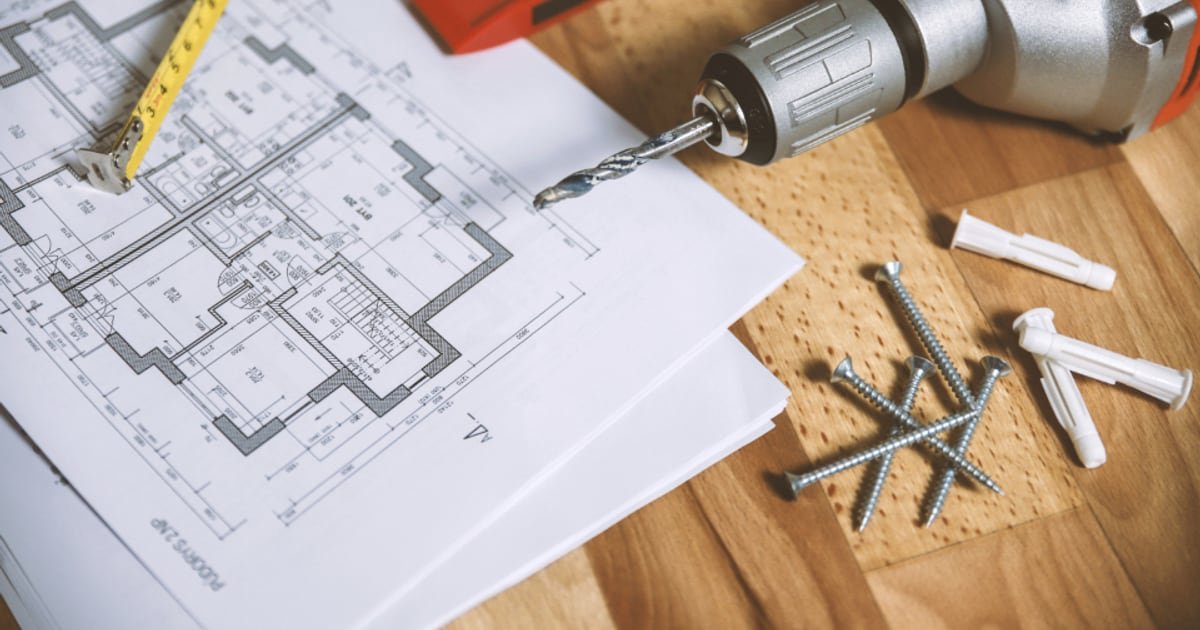
A prototype is a rough playable version of your game's core mechanic. Not the menus, not the shop, not the tutorial. Just the thing the player does over and over, working well enough that a stranger can hold the phone and play it.
Its only job is to answer one question: is this fun?
Why fun cannot be judged on paper
Game ideas that sound brilliant in a document are often flat in the hand, and mechanics that sound ordinary can feel great the moment you touch them. Nobody in the industry, including veteran designers, can reliably predict fun from a description. The hand has to feel it.
This is why experienced studios prototype before committing to a full build, and why publishers will not even take meetings without something playable.
What a prototype includes
- The core loop, playable with real touch controls
- Placeholder art, often blocks and basic shapes
- One level or one endless stretch, not thirty levels
- Rough tuning knobs so the feel can be adjusted quickly
What it deliberately leaves out: monetization, polish, meta systems, sound design, and everything else that only matters if the core is fun.
What it costs and how long it takes
A focused prototype is typically one to three weeks of work, which makes it a small fraction of a full development budget. It is the highest leverage money in the entire project, because it is the only spend that can save you from all the other spend.
If the prototype is not fun, you have three options. Adjust the mechanic and test again, pivot to a different idea that came up during testing, or stop. All three cost less than discovering the same thing after full development.
How to judge a prototype honestly
Hand it to someone who has never seen it, say nothing, and watch. Do they understand it in ten seconds? Do they lean in? When it is over, do they immediately go again?
The "one more try" reflex is the signal. If players keep restarting without being asked, you have something worth building properly. If they hand the phone back politely, listen to that too.
From prototype to MVP
A prototype that tests well becomes the foundation of the MVP: the same core loop, now with real art, a progression system, and enough content to measure day one and day seven retention with real players. That is the moment your idea stops being a guess and starts being a product.
Starting with a prototype is not the slow path. It is the path that avoids building the wrong game at full price.
Got a game idea? We build it.
You bring the concept. We design, build, test and launch it, and you own 100% of the finished game.
Share Your Game Idea →Keep reading
 Process
What Your First Call With a Game Studio Should Cover
Your first call with a game studio sets the tone for the whole project. Here is what to cover, what to ask, what to sha…
 Process
The Studio Reading List: What We Send New Clients
A short reading list for founders starting a game project, organised by what it helps you do, plus what we deliberately…
 Process
Shipping on Android: The Device Fragmentation Survival Guide
Android fragmentation is manageable once you decide what you support. Here is how to pick a device matrix, set a floor,…