
We Rebuilt a Top-Grossing Puzzle Loop in 48 Hours. Here Is the Breakdown.
Two days, one proven puzzle loop, rebuilt from scratch to see what the mechanic is really made of. Here is the hour by hour breakdown, including what we cut and why.
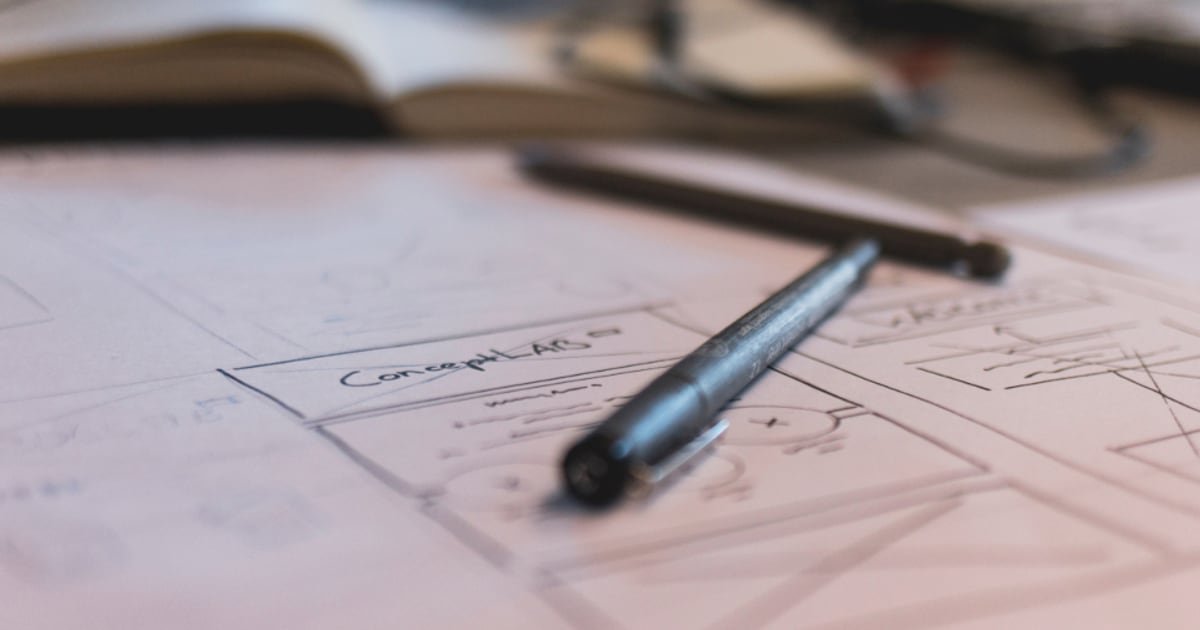
Rebuilding a proven loop is the fastest way to learn what it is actually made of. In two days a small team can strip a puzzle mechanic to its rules, build a working difficulty curve, run a feel pass, and capture usable footage. The value is the teardown, not the build.
Why this matters
Reading about a mechanic teaches you the rules. Rebuilding it teaches you the tuning, and tuning is where these games are won.
A 48-hour rebuild is also an honest test of your own pipeline. If two days produces nothing playable, that is useful information about tooling rather than about the mechanic.
We run these as internal exercises. The build is thrown away and the notes are kept.
The output of a rebuild is a document of what makes the loop work. The prototype itself is a by-product.
Why we picked this loop
We look for three properties when choosing something to rebuild.
- The rules are simple enough to state in one sentence, so the exercise stays about tuning rather than scope.
- The difficulty curve is clearly deliberate, which means there is something to learn from reconstructing it.
- The satisfying moment is visible in a few seconds, because that is what makes the mechanic work in ad creative.
A match-and-clear puzzle loop with a limited move count fits all three. The rules take a sentence, the curve is obviously tuned, and the payoff is a visible cascade.
Hour 0 to 8: the mechanic, stripped
The first block is deliberately ugly. Grey boxes, no art, no sound.
The goal is one thing: a playable board where the core action works and the win and lose conditions fire correctly.
- Build the grid and the input handling first, since everything else depends on them.
- Implement the match rule and the clear, without any animation.
- Add the move counter and the two end states.
- Hard-code one board layout rather than building a level system.
By the end of this block the loop should be playable and joyless. That is expected. Anything that looks good this early usually means time went into the wrong place.
Hour 8 to 24: levels and the difficulty curve
This block is where the actual learning happens, and it takes the largest share of the time.
Build the smallest level system that works: a data file per level with the grid, the target, and the move allowance. Nothing more.
Then build a curve across roughly fifteen levels and pay attention to what you are forced to decide.
| Lever | What it controls |
|---|---|
| Move allowance | The primary difficulty dial, and the most sensitive |
| Target size | How long a level takes, distinct from how hard it is |
| Board dimensions | Available options, so it changes the feel of being stuck |
| Piece variety | Match probability, which compounds fast |
| Blockers | Where the player is forced to look |
The lesson from the rebuild is usually the same. Difficulty is carried by move allowance and target size, and everything else is texture. Teams that try to make levels harder by adding mechanics end up with a curve nobody can tune.
Sequencing matters as much as the individual levels. An easy level after a hard one reads as a reward, and removing that rhythm makes an identical set of levels feel punishing.
Hour 24 to 40: feel and feedback
This is the block that turns a working prototype into something worth showing.
Work in this order and stop when it reads well.
- Animate the clear with a slight overshoot rather than removing pieces instantly.
- Add the cascade, staggered so it reads as a chain rather than a single event.
- Add sound for the match, the cascade step, and the level win.
- Add hit stop on a large clear so weight is felt.
- Punch the counter and target displays when they change.
- Add the win sequence, which matters more than everything above it.
The win sequence is consistently underestimated. It is the moment players remember and the moment ad creative is cut from.
The general approach here is in Why Juice Sells.
Hour 40 to 48: build, capture, and creative
The last block exists because a prototype nobody can see does not do its job.
- Make a device build early enough to fix what breaks, since something always breaks.
- Play it on a phone and fix anything that feels different from the editor, especially input timing.
- Capture footage of the best three seconds, then the best ten.
- Cut one short creative from the capture and see whether the mechanic reads without explanation.
If the mechanic is not obvious from silent footage, that is a finding about the mechanic, not about the capture.
What we cut and what we would keep
Cut without hesitation: menus, settings, progression map, currency, any art beyond flat colour, and save persistence. None of them affect whether the loop works.
Keep even under time pressure: the win sequence, sound, and a device build. Those three carry most of the perceived quality, and skipping them produces a prototype that reads as worse than the idea deserves.
The one thing we would change is starting the curve earlier. Feel work is more fun and expands to fill the time available, and the curve is where the real answer is.
What we would do
Run a rebuild before starting an original prototype in a genre you have not shipped. Two days spent reconstructing something proven saves considerably more than two days of guessing at tuning.
Set a hard stop and keep it. The exercise loses value once it becomes a project, and the temptation to keep going is strongest at hour 40.
Write the notes the same day, while the tuning decisions are fresh. The document is the deliverable, and it stays useful long after the build is deleted.
The short version
- Rebuild proven loops to learn tuning, which is where these games are actually won.
- Spend the first block making it playable and ugly.
- The largest block belongs to levels and the curve, not to feel.
- Move allowance and target size carry difficulty; extra mechanics make curves untunable.
- Keep the win sequence, sound, and a real device build even under time pressure.
- The written notes are the output; the prototype is disposable.
Pick a loop your next game sits near and give it two days. If you want a team that can run these on demand, tell us what you are exploring.
Related reading: The 7-Day Prototype, Stop Polishing, and Level Design for Puzzle Games.
Got a game idea? We build it.
You bring the concept. We design, build, test and launch it, and you own 100% of the finished game.
Share Your Game Idea →Keep reading
 Design
Procedural Level Generation on a Solo Schedule
Procedural generation promises infinite content, but a solo dev needs a version that ships. Here is how to scope it, bu…
 Design
Adding Accessibility Without Doubling the Work
Accessibility does not have to mean a second round of development. Five changes, built into the process from the start,…
 Design
How to Make a Prototype Look Polished With Minimal Art
A prototype does not need final art to look polished. Color, spacing, animation timing, and a few visual shortcuts can…