
Branded Games: Why Businesses Are Building Games as Marketing
Attention is the most expensive thing in marketing, and games hold it for minutes, not seconds. Why brands build games, what works, and what one costs.
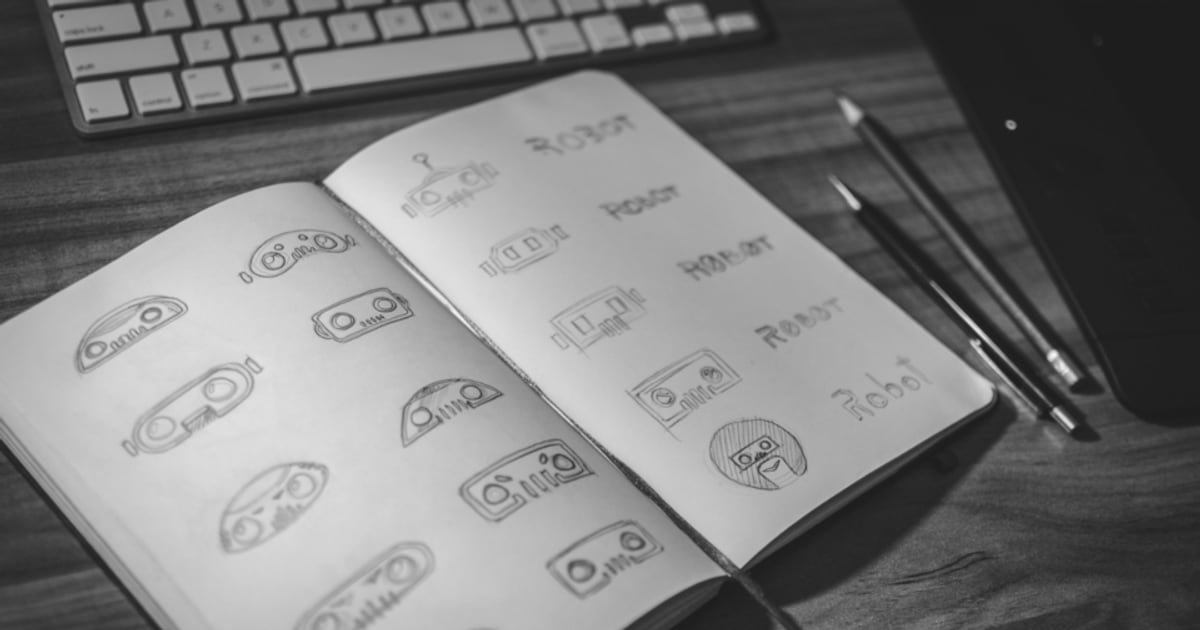
A banner ad gets glanced at for a second. A video ad gets skipped in five. A decent branded mini-game gets played for six minutes, voluntarily, sometimes repeatedly, and often forwarded to a friend. That arithmetic is why games have quietly become a serious marketing format, and not only for giant brands.
Why games work as marketing
Engagement is opt-in and active. Nobody is interrupted; players choose the experience and stay in it, which changes how the brand is received. Time in brand is measured in minutes instead of seconds. Play produces positive emotion that transfers to the brand attached to it, an effect advertising researchers have measured for years. And a game generates data ads cannot: what players do, how long they stay, what they come back for, plus opt-in contact details when a prize or leaderboard justifies signup.
What businesses actually build
The successful pattern is almost never a big ambitious game. It is a small, instantly playable one:
- Campaign games. A themed arcade or puzzle game for a product launch or seasonal push, playable in the browser from a QR code or link, no install required
- Loyalty games. Spin, collect, or streak mechanics inside an existing app that give customers a daily reason to open it
- Event games. A branded high-score challenge on a screen or phones at a booth, trading plays for badge scans and leads
- Educational games. Products or processes explained through play, for customers or for internal training, with completion rates surveys can only envy
The common thread: thirty seconds to learn, minutes per session, and the brand woven into the mechanic rather than pasted on the loading screen. A grocery brand's stacking game where you stack their products is memorable. The same game with a logo in the corner is wallpaper.
What it costs, honestly
A polished single-mechanic branded game generally costs what a mid-size campaign's video production would, and it is reusable: reskin it for the next season instead of rebuilding. Web delivery keeps it light, nobody installs an app for a campaign, and modern browser games launch instantly from a link. Timelines run weeks, not months, which matters when a campaign has a date.
How to judge the investment
Decide the metric before building: leads collected, minutes of brand time, repeat visits, signups. A game is a marketing asset, and it should face marketing math like any other asset. The teams disappointed by branded games almost always skipped this step and built a toy with a logo. The teams that come back to the format built a mechanic around a metric.
If your customers have thirty seconds and a phone, there is probably a version of this that fits your brand. The brief is simpler than you think: what should the player feel, and what should the business count.
Got a game idea? We build it.
You bring the concept. We design, build, test and launch it, and you own 100% of the finished game.
Share Your Game Idea →Keep reading
 Business
Your Game Studio Partner Should Say No. Here Is When.
A studio that never pushes back is deferring every judgement to you. Here is what a good partner should refuse, and how…
 Business
Red Flags in a Game Development Proposal
A proposal tells you how a studio thinks before you have spent anything. Here are six red flags worth acting on, and th…
 Business
Owning Your Backend: Build, Buy, or Rent
Most mobile games need far less backend than their teams build. Here is what it is actually responsible for, what it co…