
How Do Mobile Games Make Money? Ads, In-App Purchases, or Both
Mobile games earn through ads, in-app purchases, subscriptions, or a mix. Which model fits depends on your genre and how long players stay. Here is how to choose without guessing.
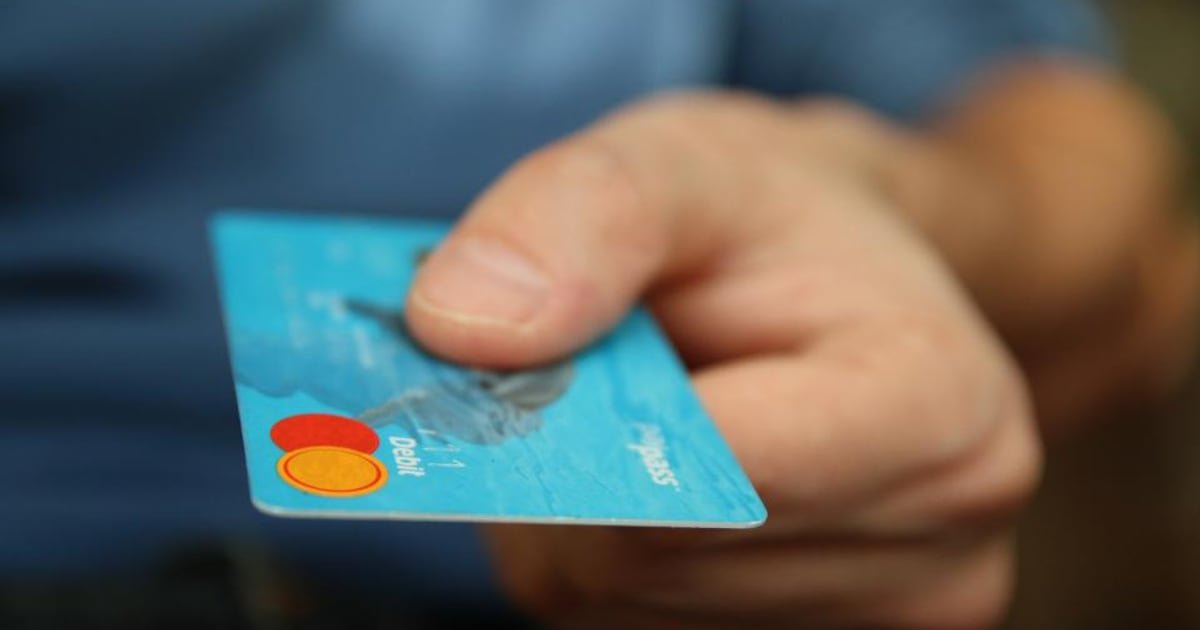
Mobile games make money in four ways: advertising, in-app purchases, subscriptions, and paid downloads. Almost every successful free game uses the first two together. Which mix is right for you is decided by your genre and your session length, not by preference.
Advertising
You show ads and get paid per thousand impressions or per completed view. Rewarded video, where a player chooses to watch an ad for a bonus, earns the most and annoys players the least.
Ads suit games with short sessions and huge audiences. Hyper casual lives entirely on this model. The revenue per player is tiny, so it only works at scale.
The number to watch is eCPM, what you earn per thousand ad impressions. It varies enormously by country. The same ad view can be worth ten times more from a player in the United States than from many other markets.
In-app purchases
Players buy currency, cosmetics, extra lives, or progression. This is where most mobile revenue actually comes from.
The uncomfortable truth of IAP is that a very small share of players spend anything at all. A few percent paying is normal. A small fraction of those, often called whales, produce most of the revenue.
That means IAP only works if your game holds players long enough for them to care about spending. If nobody plays past day three, nobody is buying anything.
Subscriptions
A recurring fee for ongoing benefits, such as removing ads, a daily currency drip, or exclusive content. Subscriptions produce the most predictable revenue and the most loyal players, but they demand a game people return to for months.
Most small studios should not start here. Earn the retention first.
Paid downloads
Charge once up front. Almost dead on mobile for new studios, because you lose the enormous funnel that free entry gives you. It still works for premium, story driven, or well known titles.
How to choose
Answer two questions honestly.
How long do players stay? If your day 7 retention is under 5 percent, you have an ads game whether you wanted one or not. There is no time to build spending intent.
How deep is your progression? If players can meaningfully invest in something, whether that is a character, a base, a collection, or a rank, IAP will outperform ads per player.
The standard modern answer for casual games is both: rewarded ads for everyone, plus IAP for the small group who want to go deeper. Then a one time purchase to remove ads, which is often the best selling item in the whole game.
The mistake to avoid
Do not bolt monetization on at the end. Where the currency comes from, what it buys, and how progression paces out are game design decisions. Retrofitting them into a finished game produces something that feels grabby, and players notice immediately.
Design the economy while you design the loop.
Got a game idea? We build it.
You bring the concept. We design, build, test and launch it, and you own 100% of the finished game.
Share Your Game Idea →Keep reading
 Monetization
Ad Frequency and Churn: Finding the Line
Ad frequency is the easiest revenue lever to pull and the easiest to overpull. Here is what the published guidance says…
 Monetization
Hybrid-Casual Monetization: Ads, IAP, and the Blend That Works
Pure ad revenue stopped covering the cost of an install. Here is how hybrid games blend ads and purchases, and where th…
 Monetization
Session Length Versus Revenue: What the Numbers Say
Longer sessions are not automatically more valuable. Here is what the published benchmarks say about session length, se…