
What the GTA 6 Leak Actually Costs a Game Studio
Leaks are not just spoiled surprises. They wreck launch plans, expose budgets, and hit the people who made the game. A look at the real bill.
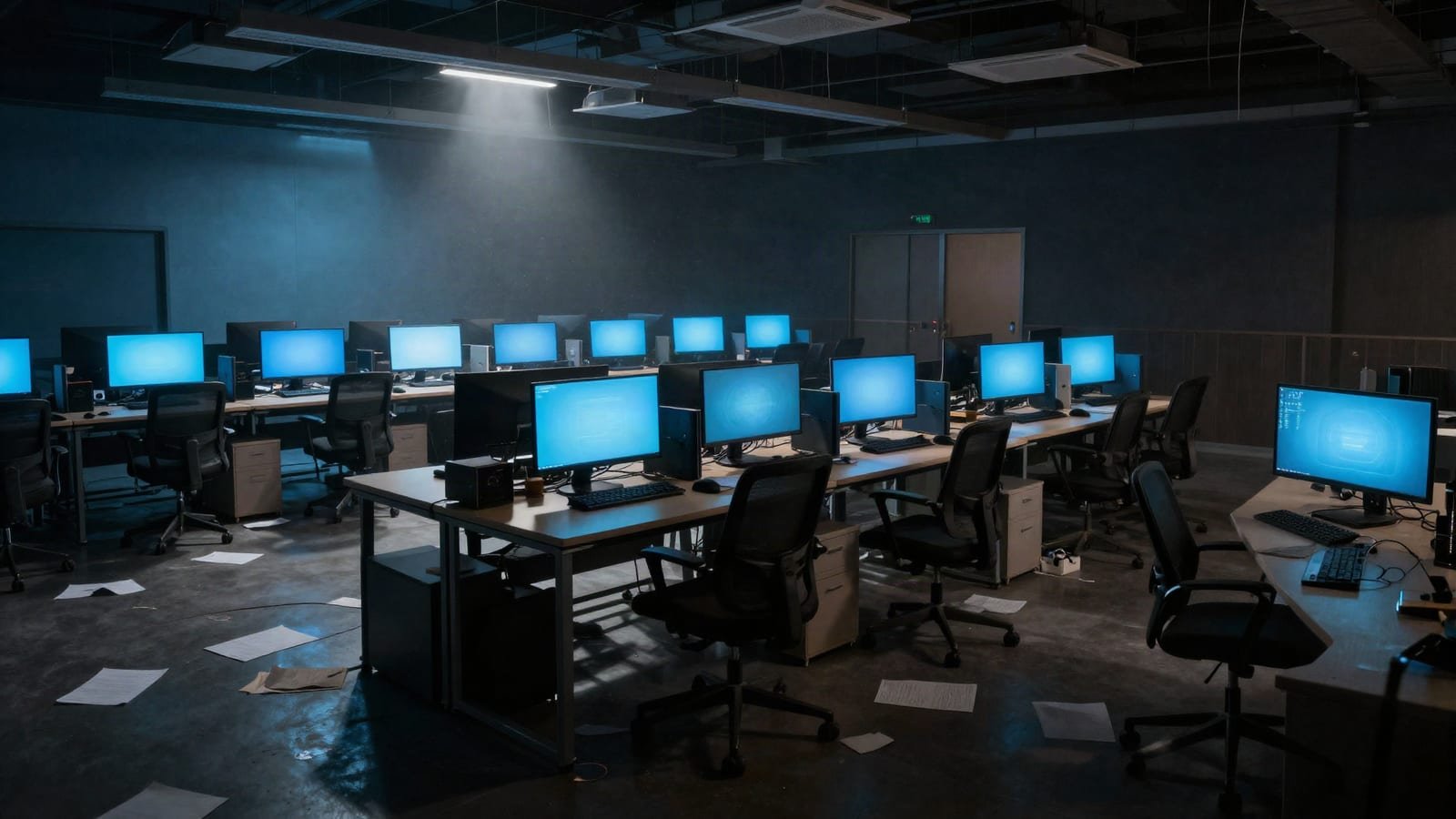
When a leak like this happens, the public conversation is about spoilers. Inside a studio, the conversation is about something else entirely.
Here is what a leak of this size actually costs, in the order it hurts.
The launch plan goes first
A game like GTA 6 does not just come out. It is revealed in a sequence built years ahead: trailers timed to the day, a Netflix special, press embargoes, store pages, retail campaigns, all engineered so each beat lands louder than the last.
The August leak arrived nine days before GTA VI: An Extended Look, which is a reveal Rockstar planned and paid for. The first look at that footage was supposed to belong to Rockstar.
Marketing money buys attention at a chosen moment. A leak spends that attention early, on someone else's terms.
The legal bill starts immediately
Takedown notices at this scale are not free. Somebody has to find every copy, file against every account, and keep doing it while the material reappears. Rockstar has been running exactly this cycle for days.
That is legal hours, vendor costs, and staff time that were budgeted for a launch, redirected into cleanup.
Confidential numbers become public
The clearest picture of what a full breach costs came from a different studio. In December 2023, a ransomware group published around 1.6 terabytes of Insomniac Games material, roughly 1.3 million files.
It included:
- A studio roadmap reaching to 2032
- Development budgets, including a reported 315 million dollars for Marvel's Spider-Man 2
- Sales forecasts and profitability figures per title
- Production schedules and unannounced projects
- Employee personal information
Competitors learned the release plan. Partners learned the margins. Every future negotiation shifted, because the other side now knew the numbers.
The team takes the hit
This is the part that rarely makes headlines. Unfinished work gets judged as if it were finished. Years of effort get discussed publicly in a state nobody chose to show.
When personal data is included, as it was in the Insomniac case, developers become targets themselves. Other studios called that part of it shameful, and they were right.
What it means for smaller studios
A large publisher absorbs this. A small one may not. For a studio of ten people, the same event can mean a lost publisher deal, a broken funding round, or a concept copied by someone faster to market.
The lesson is not that small studios need enterprise security budgets. It is that the cost of a leak scales with what you were about to do next, and the protections that matter most are cheap:
- Limit who can reach the build
- Know which outside vendors hold your files
- Keep the release plan on a need to know basis
- Decide in advance who speaks if something gets out
Your game, kept quiet until you say so
At Vectra Play we treat client work as confidential by default: NDA before the details, access restricted to the people building it, and the source and assets handed over to you in full at the end. Start a conversation about your game and we will walk you through how it stays protected.
Got a game idea? We build it.
You bring the concept. We design, build, test and launch it, and you own 100% of the finished game.
Share Your Game Idea →Keep reading
 Business
Managing Three Publisher Relationships Without Dropping the Ball
Running three publisher conversations at once is manageable with a clear system and falls apart without one. Here is ho…
 Business
What Founders Miss About Revenue Share Deals
Revenue share aligns incentives on paper, but the details determine whether the deal is actually fair. Here is what to…
 Business
How to Report Game Progress to Your Investors
Investor updates do not need to be long. They need to be honest, regular, and structured around what changed since the…