
Working With a Remote Game Studio Across Time Zones
Your studio being ten time zones away is normal now. How remote game development actually works day to day, and the habits that make it smooth.
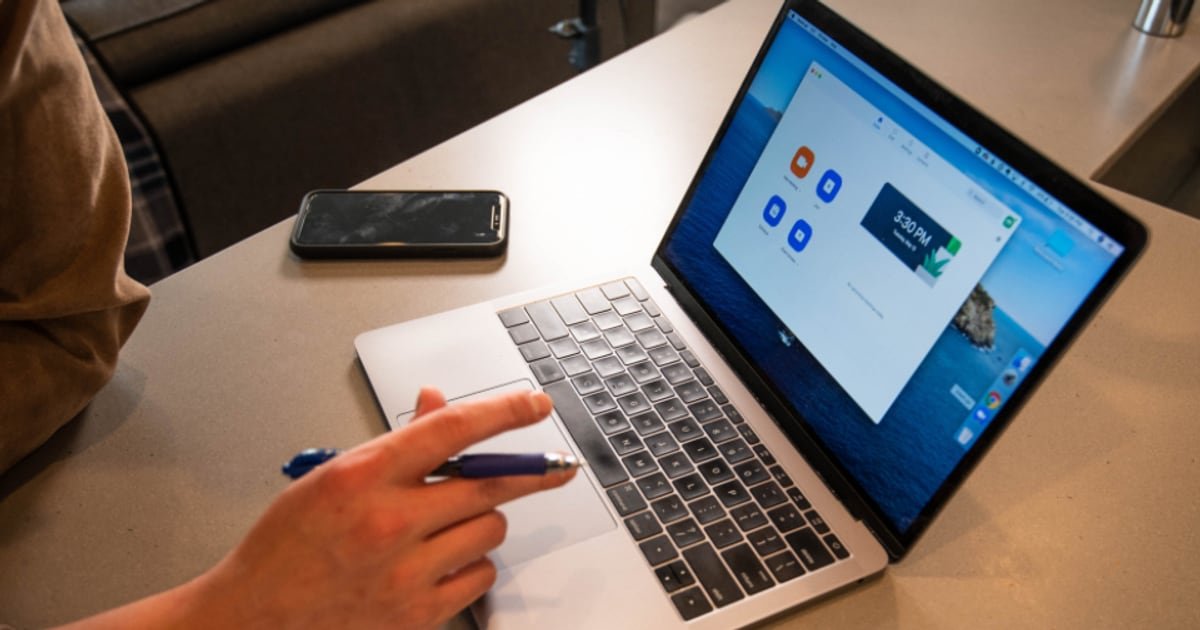
Modern game development is global by default: the best studio for your project and budget is very likely in another country, asleep while you work. First-timers worry about this more than they should. Remote development works extremely well, when a few specific habits are in place. Here is what the smooth version looks like from the owner's chair.
Reset the expectation: async is the medium
The instinct is to want meetings, and time zones make meetings scarce. Good remote studios turn that into an advantage by making the collaboration asynchronous: progress travels in writing, video clips, and playable builds you review on your schedule, and the scarce live calls are reserved for decisions that genuinely need conversation. A weekly rhythm serves most projects well: a build or progress update at week's end, your feedback over the weekend or Monday, one live call to resolve anything contested. Day to day, a shared channel handles quick questions, with each side batching replies for the other's morning.
Builds are the real status report
The single most protective habit in remote development: regular playable builds on your own phone. Written updates can drift from reality; a build cannot. When you can feel progress every week or two, distance stops mattering, and problems surface while they are small. If builds stop arriving on rhythm, that is your early warning system, ask why immediately, kindly and firmly.
Your side of the bargain
Remote projects run on the quality of your responses:
- Batch feedback into one organized list per build, not twenty scattered messages, your Tuesday morning thought lands in their Tuesday night.
- Be decisive on schedule. With a day of latency per exchange, a decision you sit on for three days costs a week. Slow answers, not slow developers, quietly delay many remote projects.
- Write decisions down. After any call, one short recap message: what was decided, what changes. Memory is the enemy; the written trail is the friend, and it becomes gold if people or priorities ever change.
- Give feedback on the thing, not vibes: a screenshot, a screen recording, a specific level. Enemies feel unfair in level twelve beats the game seems hard.
The overlap hour and the culture check
Even ten time zones apart, there is usually one workable hour of overlap, guard it for the weekly call. During hiring, test the rhythm before committing: how a studio communicates during the sales process, response speed, clarity of writing, honesty about time zones, is exactly how it will communicate in month four. Clear written English, punctual scheduled calls, and unprompted honest updates predict a good remote partner better than any portfolio piece.
Distance is a workflow, not a risk. Written decisions, weekly builds, prompt feedback, one good call a week: with those in place, the studio across the world routinely beats the studio across town on both cost and craft.
Got a game idea? We build it.
You bring the concept. We design, build, test and launch it, and you own 100% of the finished game.
Share Your Game Idea →Keep reading
 Business
Managing Three Publisher Relationships Without Dropping the Ball
Running three publisher conversations at once is manageable with a clear system and falls apart without one. Here is ho…
 Business
What Founders Miss About Revenue Share Deals
Revenue share aligns incentives on paper, but the details determine whether the deal is actually fair. Here is what to…
 Business
How to Report Game Progress to Your Investors
Investor updates do not need to be long. They need to be honest, regular, and structured around what changed since the…