
Audio on a Budget: Making a Small Game Sound Big
Audio is the cheapest way to raise perceived quality and the first thing small teams cut. Here is how to get most of the way there with very little.
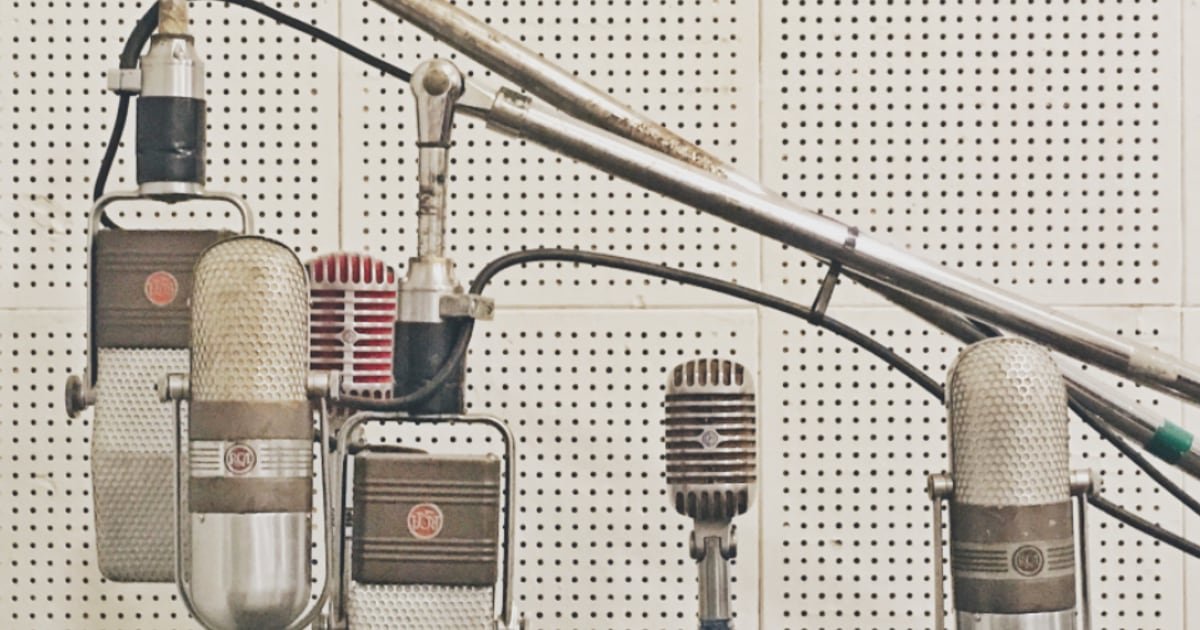
Audio delivers more perceived quality per hour than almost anything else in a small game. Most of the work is layering two or three simple sounds, varying pitch so repetition is not noticed, and mixing for a phone speaker rather than headphones. Twenty sounds cover a typical casual game.
Why this matters
Mute a well-made game and a large share of the satisfaction disappears. Players attribute the quality to the visuals, which is why audio is chronically underfunded.
It is also the fastest fix available. A prototype with good sound reads as considerably more finished than one without, and it costs a day rather than a week.
For a small team, that ratio is worth exploiting deliberately.
Why audio is the cheapest feel upgrade
Three reasons.
It attaches to existing work. Sound does not require new systems, new art, or new design. It layers onto interactions that already exist.
It carries impact. The perceived weight of a hit comes mostly from its sound. Visual effects support it rather than the reverse.
It masks imperfection. A slightly stiff animation with a well-timed sound reads as intentional. The same animation silent reads as unfinished.
Sound is roughly half of game feel and rarely half of anyone's budget. That gap is the opportunity.
Sourcing sound legally and cheaply
Four routes, in rough order of cost.
- Generated effects. Tools in the sfxr family produce arcade-style sounds from a few parameters. Free, instant, and genuinely good for prototypes and stylised games.
- Free libraries. Large collections exist under permissive licences. Quality varies and the licence terms matter, so read them.
- Paid libraries. Modest one-off cost for a large, consistent, clearly licensed set. Usually the best value for a commercial project.
- Recording your own. Free apart from time, and surprisingly effective for physical sounds. A phone microphone and a quiet room covers a lot.
Whatever the source, keep a record of where each sound came from and its licence. This becomes a diligence item later, per Technical Due Diligence, and reconstructing it after the fact is painful.
Be careful with "royalty free", which frequently means something narrower than it sounds. Check whether commercial use, modification, and inclusion in a game are all permitted.
Layering to make small sounds big
This is the technique that does most of the work.
A satisfying sound is usually two or three layers stacked, each doing a different job.
- The transient. A short, sharp attack. A click, a tap, a snap. This is what makes the sound read as impact.
- The body. The main tone that carries weight and character.
- The tail. A short decay or reverb that places the sound in a space.
Three practical rules.
Vary the pitch. Randomise slightly on every repeated sound. Without this, a rapid action becomes irritating within a minute, and it is the single most common mistake in small-game audio.
Keep effects short. Most game sounds should be well under half a second. Long sounds overlap and turn to mud.
Do not layer more than three. Beyond that the sound loses definition rather than gaining power.
The timing side of this pairs with Why Juice Sells.
Mixing for phone speakers
Most players will never hear your game through anything good, and mixing decisions should reflect that.
| Consideration | What to do |
|---|---|
| No real bass response | Do not rely on low frequencies for impact; put the weight in the mids |
| Narrow dynamic range | Compress so quiet sounds remain audible |
| Mono output in practice | Check that nothing important is only in one channel |
| Ambient noise | Assume the player is somewhere noisy, and keep key sounds distinct |
| Sound often off entirely | Nothing critical should be audio-only |
The practical test is simple. Mix on headphones for detail, then check on a phone speaker at half volume, at arm's length, with something else making noise in the room. Anything that disappears needs to move up in frequency or level.
Music: loops, stems, and licensing
Music is the largest audio cost and the easiest to over-buy.
Three approaches by budget.
A single well-chosen loop. Two minutes, seamless, low-key. Adequate for many casual games, and cheap.
Stems. One track delivered as separate layers you can bring in and out. Gives the impression of dynamic music at a fraction of the cost of composing several tracks.
Composed music. Worth it once the game has an identity to support, and rarely worth it during prototyping.
Two rules regardless. Make the loop genuinely seamless, since a click at the loop point is noticed within minutes. And keep it quieter than feels right in isolation, because it competes with effects during play.
Check licensing carefully for music specifically. Terms often limit platforms, territories, or number of titles, and music is the most common source of a licensing problem after fonts.
The 20 sounds most games actually need
A checklist for a typical casual game.
- Primary action, the one the player repeats most
- Secondary action
- Success, small
- Success, large
- Failure
- Collect or pickup
- Currency gained
- Purchase or spend
- Button press
- Panel open
- Panel close
- Level start
- Level complete
- Level fail
- Unlock or reward
- Warning or low resource
- Timer tick
- Combo or streak escalation
- Ambient loop
- Music loop
Two notes. The escalating combo sound is worth disproportionate effort, since rising pitch across a streak is one of the most satisfying patterns available. And number two on the list, the primary action, deserves more time than the other nineteen combined.
What we would do
Add sound during the prototype, not after. A silent prototype tests worse than it should, and the tools above make a basic set an afternoon's work.
Build the primary action sound first and properly, with three layers and pitch variation. It is heard thousands of times per session and it sets the tone for everything else.
Then mix on a phone, not headphones, and keep the licence record from day one. Both are small habits that prevent expensive problems.
The short version
- Audio carries roughly half of perceived feel and rarely half of the budget.
- Layer a transient, a body, and a tail; three layers is the limit.
- Randomise pitch on repeated sounds, or they become irritating quickly.
- Mix for phone speakers: weight in the mids, compressed range, nothing audio-only.
- Use a single seamless loop or stems before commissioning composed music.
- Twenty sounds cover a casual game, and the primary action deserves the most work.
Make your primary action sound properly this week, with layers and pitch variation. If you want an audio pass on an existing build, get in touch.
Related reading: Why Juice Sells, 12 Free Tools Solo Devs Use to Ship Faster, and Game Art Style Budget Guide.
Got a game idea? We build it.
You bring the concept. We design, build, test and launch it, and you own 100% of the finished game.
Share Your Game Idea →Keep reading
 Design
Procedural Level Generation on a Solo Schedule
Procedural generation promises infinite content, but a solo dev needs a version that ships. Here is how to scope it, bu…
 Design
Adding Accessibility Without Doubling the Work
Accessibility does not have to mean a second round of development. Five changes, built into the process from the start,…
 Design
How to Make a Prototype Look Polished With Minimal Art
A prototype does not need final art to look polished. Color, spacing, animation timing, and a few visual shortcuts can…