
How to Plan a Game Launch With No Marketing Team
You do not need a marketing team to launch a game. You need six weeks, a clear sequence of tasks, and the discipline to skip everything that does not directly produce installs or press coverage.
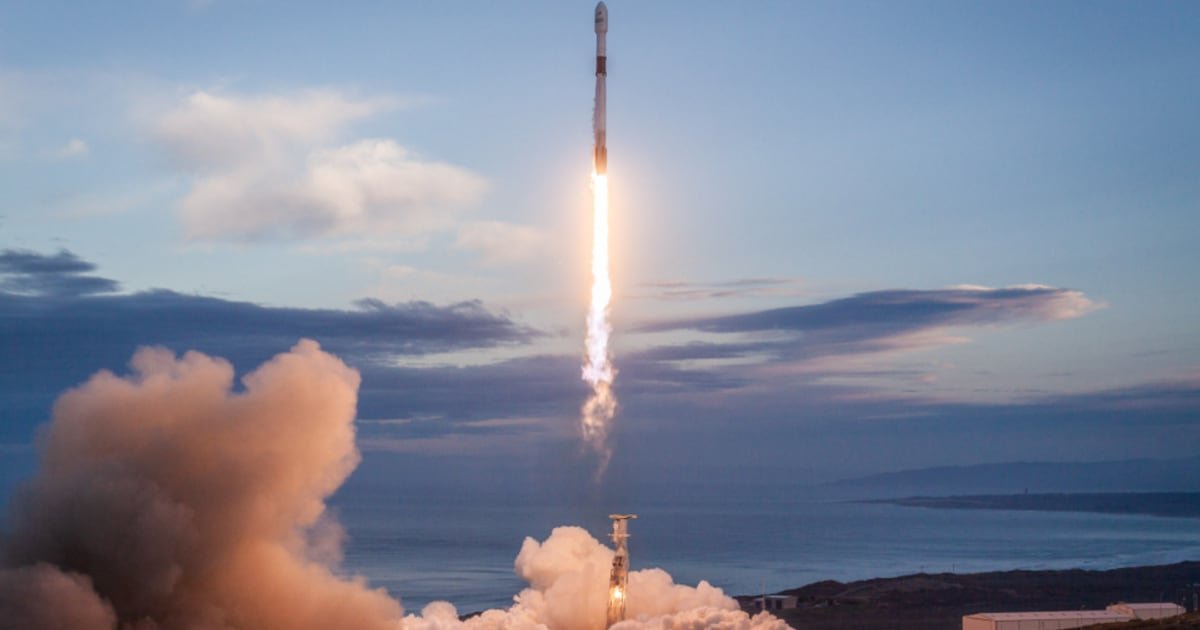
A game launch without a marketing team is not a disadvantage if you plan it as a sequence of small, specific tasks spread over six weeks. The work is writing, packaging, and reaching out. None of it requires marketing experience. All of it requires starting early enough that the launch day itself is calm rather than frantic.
Why this matters
Most indie launches fail not because the game is bad but because the launch was not planned. The game ships, a social media post goes up, and then silence.
A planned launch is not a guarantee. But an unplanned launch is reliably ineffective, and the difference between the two is six weeks of preparation, not a marketing hire.
The six week timeline
Work backwards from launch day.
Week six (six weeks out). Write the store listing. Title, description, screenshots, icon, and keywords. This takes longer than expected and benefits from revision, which is why it starts early.
Week five. Build the press kit. A one-page summary, five screenshots, one short video, the icon at multiple sizes, and a fact sheet with the studio name, release date, and genre.
Week four. Write the outreach list. Ten to fifteen people who cover your genre: journalists, content creators, newsletter writers. Prioritise people who have covered similar games, not people with the largest audience.
Week three. Send the outreach. A short, personal email with the press kit attached. One paragraph about the game, one paragraph about why you are writing to them specifically, and a link to the build.
Week two. Prepare the launch day assets. The social media posts, the announcement text, the community update if you have a community. Write them now so launch day is execution, not creation.
Week one. Final check. Confirm the store listing is live and accurate, the build is approved, the outreach responses are handled, and the analytics are working.
The launch happens in week one. The work that makes it effective happens in weeks two through six.
The store listing: your highest-leverage asset
The store listing converts more players than any other single piece of marketing, because every player sees it and most other marketing is optional.
Four elements, in order of importance.
- Screenshots. The first two screenshots determine whether anyone reads the description. Show gameplay, not menus. Show the core action, not the loading screen.
- Icon. Simple, readable at small sizes, and distinct from your genre's common icons. Test it at the size a phone actually displays it.
- Title and subtitle. Clear and searchable. Include one keyword the player might search for. Do not be clever at the expense of clarity.
- Description. First sentence does all the work. Most players never read past it. Lead with what the game is, not what inspired it.
Spend more time on the store listing than on any other marketing asset. It runs forever and it is the last thing between a potential player and an install.
Press outreach without connections
You do not need connections. You need a good email.
A good outreach email has four qualities.
- Short. Under two hundred words. Journalists receive dozens of pitches daily. Respect their time.
- Specific. Mention a game they covered and explain why yours is relevant to the same audience.
- Complete. Include the press kit, a build link, and a release date. Do not make them ask for basics.
- Professional. No hype words. No claims about being "the next" anything. Just what the game is and when it launches.
Expect a low response rate. That is normal. Five responses out of fifteen emails is a good result. One or two pieces of coverage from those five responses is a strong outcome for an indie launch with no marketing team.
Follow up once if you hear nothing. Do not follow up twice.
Where to spend your first budget
If you have a small budget, spend it in this order.
- Store listing screenshots. Professional-quality screenshots are worth the cost if you cannot produce them yourself. They influence every install.
- A short video. Fifteen to thirty seconds of gameplay, well edited. Useful on the store, in outreach, and on social media.
- A small paid campaign after launch. Not before. Run it after you have day one data showing the game retains, per First 1000 Players With No Budget.
Do not spend on social media advertising before launch. You have no data to guide targeting, and the money is better spent after you know which players stay.
What to skip
Things that feel productive but do not produce installs.
- A website. The store listing is your website. A separate site adds work and splits attention.
- Social media before you have something to show. An empty account posting "coming soon" builds nothing. Wait until you have gameplay to show.
- Paid influencer campaigns. Expensive, unpredictable, and wasted without a game that retains. Save this for after launch data confirms retention.
- Broad outreach. Writing to fifty journalists is worse than writing to fifteen good ones. Relevance beats volume.
- Launch events or streams. Unless you already have an audience, a launch stream reaches nobody. Your time is better spent on outreach.
Launch day itself
If the preparation is done, launch day is short.
- Confirm the build is live and the store listing is correct.
- Post the prepared announcements.
- Send a short note to anyone who responded to your outreach.
- Watch the analytics dashboard you set up, per Track Game Metrics Before Launch Day.
- Respond to every review and every piece of feedback on day one.
That last point matters. Day one feedback is the most engaged feedback you will ever receive, and responding to it builds the relationship that turns a player into an advocate.
What we would do
Start the store listing six weeks before launch. Spend more time on screenshots than on any other marketing task.
Send fifteen personal outreach emails in week three and follow up once.
Then skip everything that does not produce installs or press coverage. The launch is a sequence, not an event, and the preparation matters more than the day.
The short version
- Plan the launch as a six week sequence, not a single day.
- The store listing is your highest-leverage marketing asset. Invest time in screenshots and the first sentence.
- Send fifteen personal, short outreach emails three weeks before launch.
- Spend budget on screenshots, a short video, and a small paid campaign after launch data is in.
- Skip websites, empty social accounts, paid influencers, and broad outreach.
- On launch day, respond to every review and every piece of feedback.
Write your store listing this week, six weeks before launch. If you need help preparing the launch package, start a conversation.
Got a game idea? We build it.
You bring the concept. We design, build, test and launch it, and you own 100% of the finished game.
Share Your Game Idea →Keep reading
 Launch
How to Run a Closed Beta With Under Fifty Testers
Fifty testers is enough to find the problems that matter if you recruit the right people and structure the feedback. He…
 Launch
From Prototype to Soft Launch: What Actually Changes
The gap between a prototype that tested well and a soft launch build is larger than most teams plan for. Here is exactl…
 Launch
The Publisher Submission Checklist: 19 Things to Fix Before You Send
Most rejected submissions fail on things that take an hour to fix. Here are the nineteen checks worth running before a…